
Information
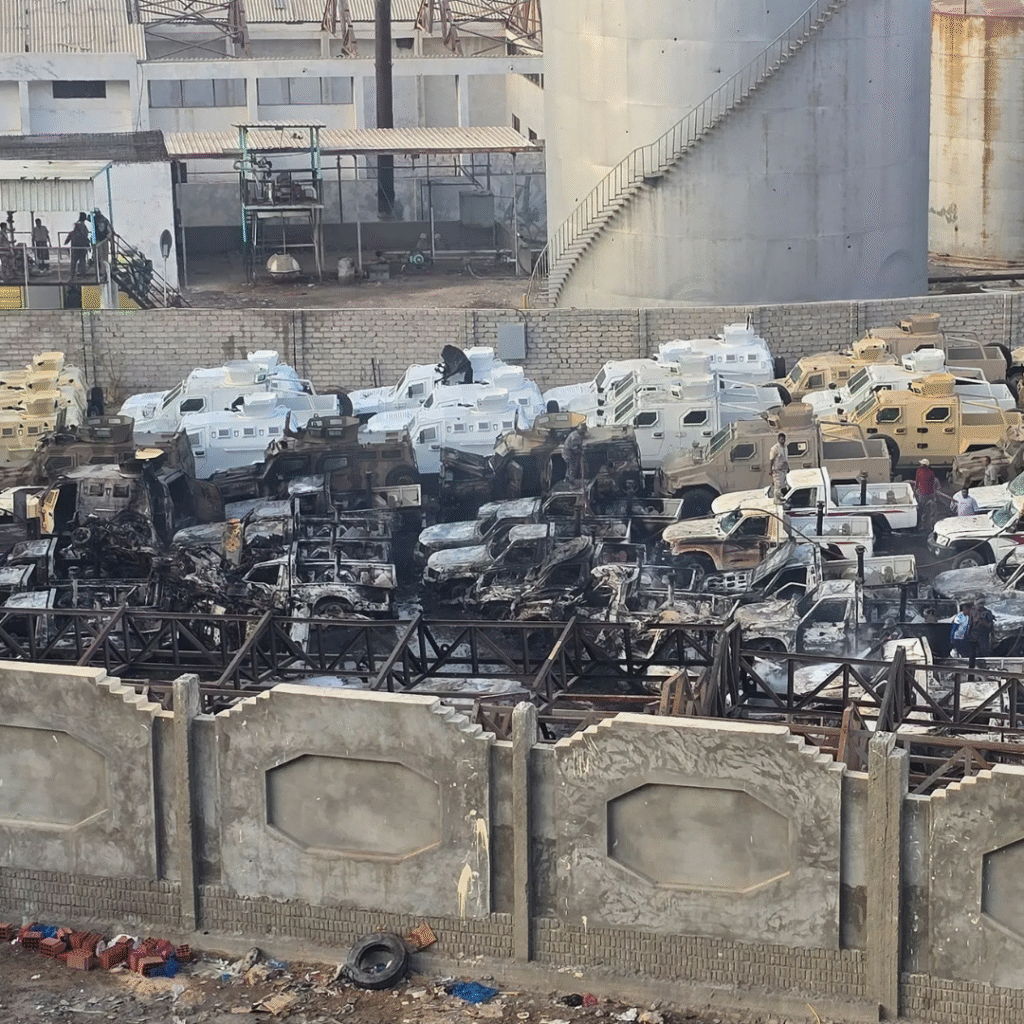
The United Arab Emirates announced it would withdraw its remaining forces from Yemen, citing recent developments that could jeopardize the safety and effectiveness of counterterrorism operations, though it did not provide a timeline. The move followed a sharp escalation after Yemen’s Saudi-backed presidential council declared a state of emergency and ordered UAE forces to leave within 24 hours, canceled a security pact with Abu Dhabi, and imposed a 72-hour restriction on border crossings. Tensions rose further after Saudi Arabia carried out an airstrike on the southern port of Mukalla, which Riyadh said targeted an arms shipment from the UAE intended for Yemeni separatists.
Saudi officials described the shipment as an imminent threat to peace and stability, alleging that vessels arriving from Fujairah had disabled tracking devices and unloaded weapons and vehicles for the Southern Transitional Council, which is backed by the UAE. Abu Dhabi denied sending weapons, though it acknowledged transferring vehicles, and rejected accusations of fueling the conflict, calling instead for restraint. The incident highlights growing strains between Saudi Arabia and the UAE, longtime allies now backing rival factions in Yemen’s war against the Iranian-backed Houthis, signaling a significant escalation in regional tensions.
Source: AP, Reuters, AFP
So What
Saudi Arabia’s decision to make public accusations suggests it has likely also issued formal demands to the United Arab Emiratesthrough private diplomatic channels, increasing pressure on Abu Dhabi. This pressure is compounded by recent negative international attention surrounding the UAE’s alleged support for the Rapid Support Forces in Sudan, alongside the latest Yemen-related controversy. Taken together, these factors make it likely that relations between the UAE and Saudi Arabia will remain strained, with elevated tensions persisting for some time rather than being resolved quickly.
Follow us to join the intelligence community!