
Information
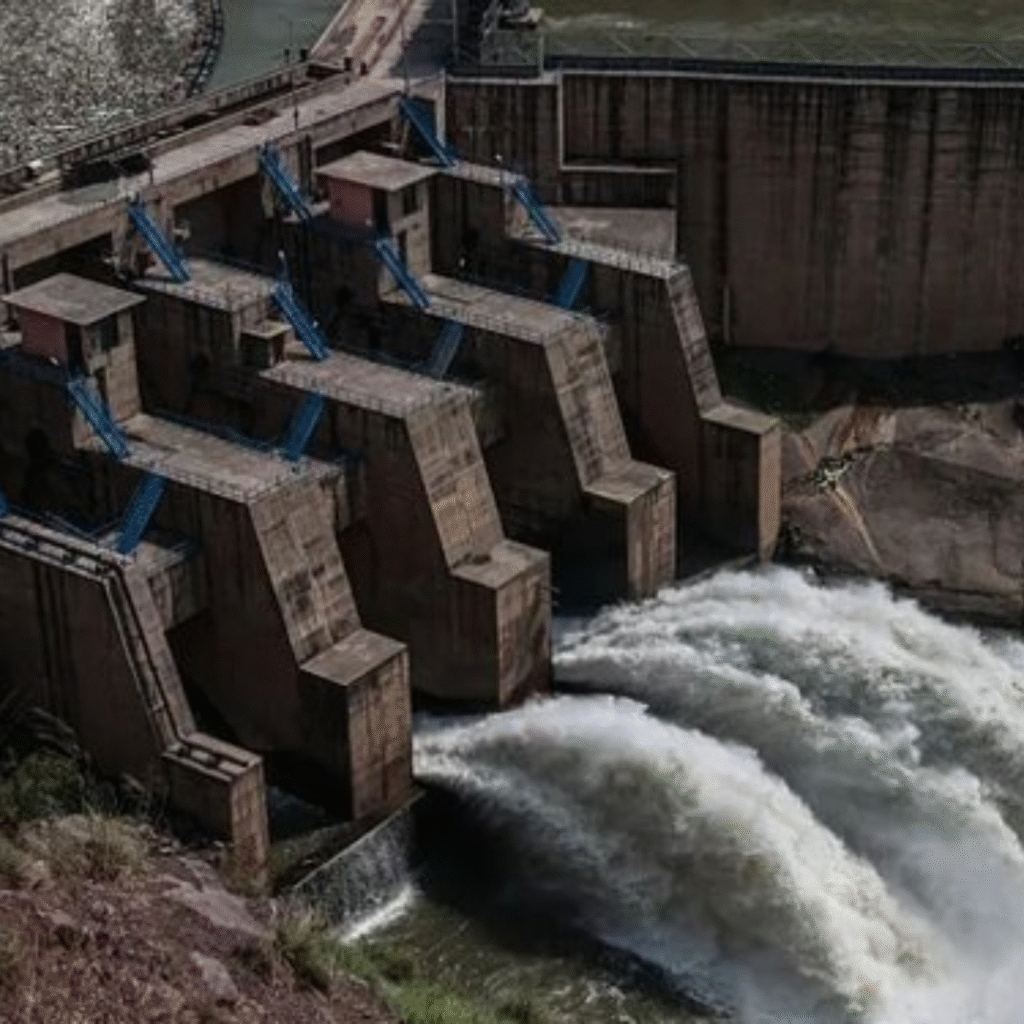
Pakistan’s Deputy Prime Minister Ishaq Dar has accused India of “weaponizing water” by manipulating flows of the Chenab River, citing unusual and abrupt variations detected in December that echo similar incidents earlier in the year. The allegations come after India’s unilateral withdrawal in April from the 1960 Indus Water Treaty, a World Bank–brokered agreement governing the sharing of six major rivers. India justified its exit by citing a deadly militant attack in Indian-administered Kashmir, which it blamed on Pakistan, as well as broader concerns such as population pressures and clean energy development. Pakistan has denied any role in the attack and warned that interference with water flows would be viewed as an act of war, amid escalating tensions that saw deadly cross-border fighting in May.
Pakistan says India’s actions threaten farmers and millions of civilians by increasing risks of floods and droughts, pointing to devastating flooding in September after India released large volumes of water into the Chenab—an action India said was preceded by warnings. Dar has appealed to the United Nations, accusing India of blocking data sharing and joint oversight mechanisms mandated by the treaty, while India has yet to comment on the latest claims. Under the treaty’s original terms, India controls the eastern rivers and Pakistan the western ones, including the Chenab, making water management a central and increasingly volatile issue in the strained relationship between the two nuclear-armed neighbors.
Source: AFP, AP
So What
Any significant Indian move to restrict or cut water flows to Pakistan would sharply raise the likelihood of escalation, potentially even war. Aware that it is unlikely to prevail in a conventional military confrontation with India, Pakistan would more likely respond through asymmetric or “grey zone” tactics, alongside heightened nuclear signaling to deter further pressure. International intervention, especially by the United Nations, could help mediate the situation and reduce tensions before they escalate further.
Follow us to join the intelligence community!