
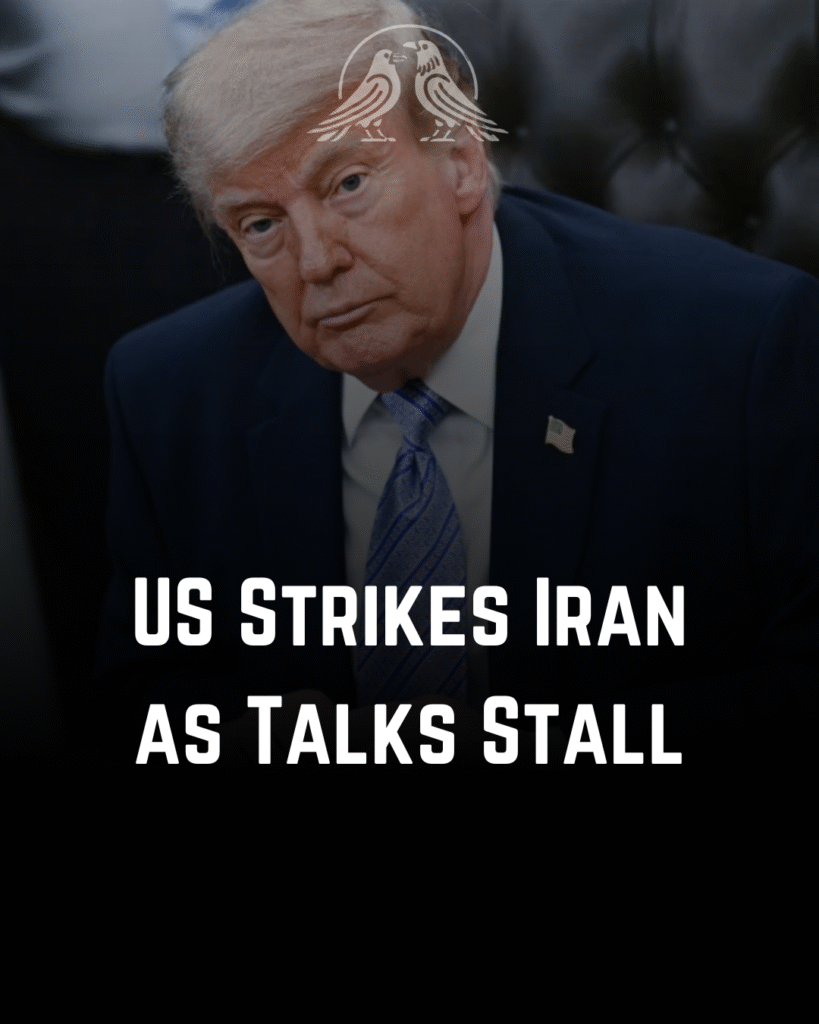
The United States launched new strikes against targets in Iran’s southern Hormozgan province on Tuesday, hitting boats reportedly attempting to lay mines and missile launch sites near the Strait of Hormuz. Iran’s foreign ministry condemned the strikes as “a gross violation of the ceasefire,” stating that Iran holds Washington responsible for all consequences. Iran’s Revolutionary Guards reserved the right to retaliate.
The strikes came as both sides signaled progress on a memorandum of understanding to halt the conflict. Iran’s top negotiator Mohammad Baqer Qalibaf traveled to Doha to meet Qatar’s prime minister, reportedly seeking agreement on the release of approximately $24 billion in frozen Iranian funds. Iranian state media described that sum as the last serious sticking point before a preliminary deal could be finalized. U.S. Secretary of State Rubio said on Tuesday that closing a deal could still take “a few days,” tempering expectations of an imminent resolution.
Source: Reuters
So What
The simultaneous strikes and talks highlight U.S.-Iran brinkmanship, with military pressure used alongside diplomacy. Rubio emphasizes the need to keep the Strait of Hormuz open due to economic urgency, as vessel traffic has significantly declined. The key issue is whether these strikes will impact the ongoing negotiations. Iran’s response, labeling the strikes a ceasefire violation while engaging in talks, suggests they are not ready to abandon negotiations, likely due to the importance of the $24 billion in frozen assets and sanctions relief. However, it remains uncertain if Supreme Leader Khamenei will agree to terms without nuclear commitments while under attack, which could be a significant hurdle.
Follow us to join the intelligence community!