
Information
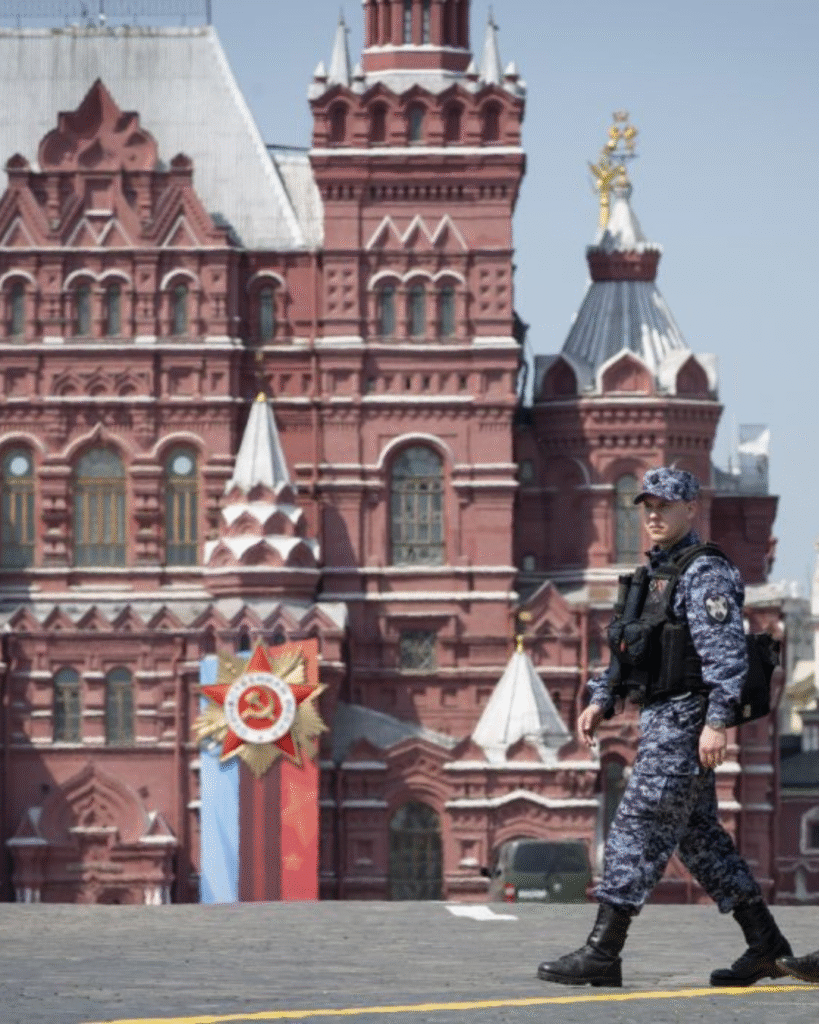
US President Donald Trump announced that Ukraine and Russia had agreed to a three-day ceasefire from 9–11 May, alongside a prisoner exchange involving 1,000 prisoners from each side. The truce coincides with Russia’s Victory Day celebrations in Moscow, where the Kremlin is preparing for its annual military parade. Trump said he personally requested the temporary halt in fighting and thanked both Russian President Vladimir Putin and Ukrainian President Volodymyr Zelenskyy for agreeing to it. The ceasefire is intended to suspend all military activity during the designated period.
However, Ukrainian President Volodymyr Zelenskyy later signed a decree suggesting the ceasefire would mainly apply to Moscow’s Red Square during the parade rather than across all of Russia. The decree stated that Ukrainian weapons would not target the specified area of Red Square starting at 10 a.m. Kyiv time on 9 May. Russia had already increased security measures in Moscow due to concerns over potential Ukrainian drone attacks, while Kyiv accused Moscow of violating previous ceasefire commitments even as the new agreement was announced.
Source: AFP, Reuters
So What
While striking the Victory Day parade in Moscow could have offered Ukraine a significant propaganda victory, Zelenskyy may already be achieving much of the same narrative benefit simply through the optics of “allowing” Putin to hold the event. By publicly exempting Red Square from potential Ukrainian attacks, Kyiv preserves the moral high ground, avoids alienating Trump at a sensitive diplomatic moment, and subtly reinforces an image of Putin as vulnerable enough to require Ukrainian restraint for the parade to proceed safely. At the same time, Zelenskyy’s explicit limitation of the ceasefire to Red Square leaves open the possibility that Ukraine could intensify operations elsewhere, using the narrowly defined truce to maintain strategic pressure while still appearing measured and responsible internationally.
Follow us to join the intelligence community!