
Information
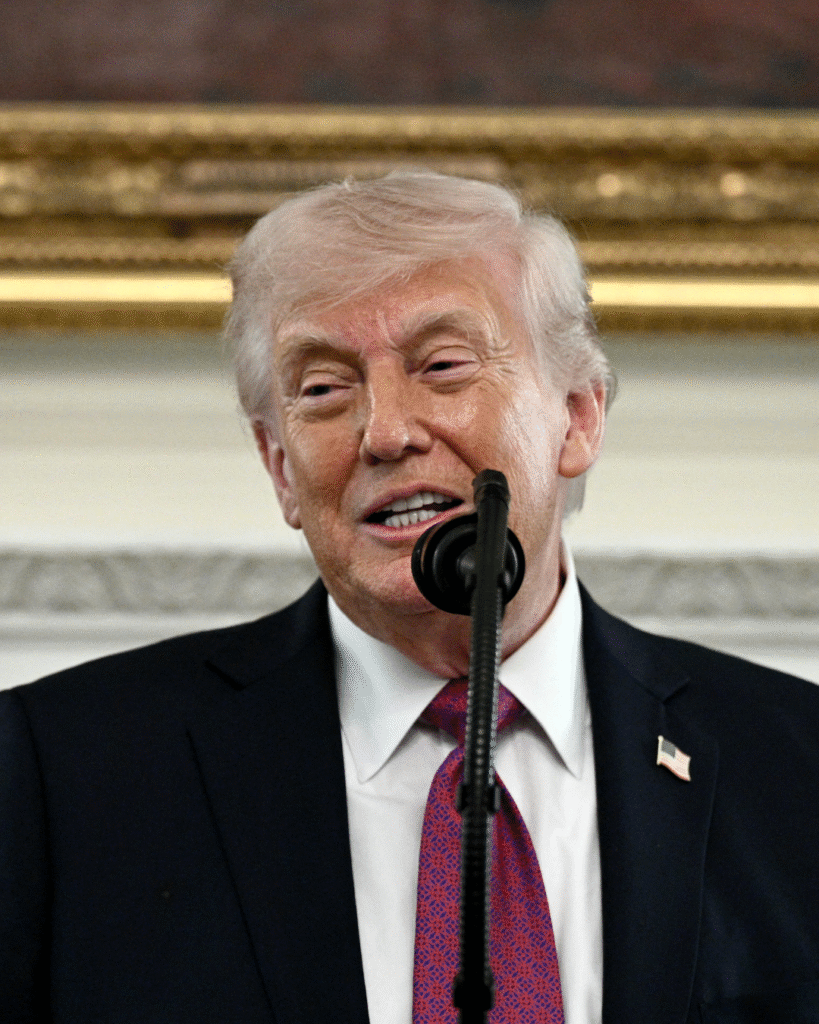
US President Donald Trump said in a social media post on Thursday morning that the United States has “total control” over the Strait of Hormuz, claiming no ship can enter or leave without approval from the US Navy. He said the waterway was effectively “sealed up tight” until Iran agrees to make a deal, and also claimed the Iranian government was divided between hardliners and moderates.
Despite Trump’s pressure campaign, it remains uncertain whether the blockade of Iranian ports has forced Tehran back to negotiations. Iranian deputy parliament speaker Mohammad Bagher Qalibaf said Iran had already received its first revenue from a new Strait of Hormuz tolling system. Meanwhile, Iran’s president blamed Trump for derailing talks, arguing the blockade made diplomacy impossible. Reports from the New York Post said Pakistan was encouraging a second round of US-Iran talks on Friday, after Trump recently extended a ceasefire and urged Tehran to submit a proposal for a permanent end to the conflict.
Source: AFP, dpa, Reuters
So What
Trump’s claim of “total control” over the Strait of Hormuz is likely a significant overstatement of the current situation. While the United States likely retains the capability to target vessels transiting the strait and project substantial naval power into the area, it is unlikely to possess unrestricted freedom of movement or the ability to guarantee complete security for all commercial shipping operating there. The statement is therefore likely intended primarily as strategic messaging, designed to project strength and deterrence toward Iran while also appealing to a domestic political audience. Furthermore, it is unlikely that the US could fully enforce such control without direct control of, or sustained military dominance over, Iranian territory and coastal positions surrounding the strait.
Follow us to join the intelligence community!